
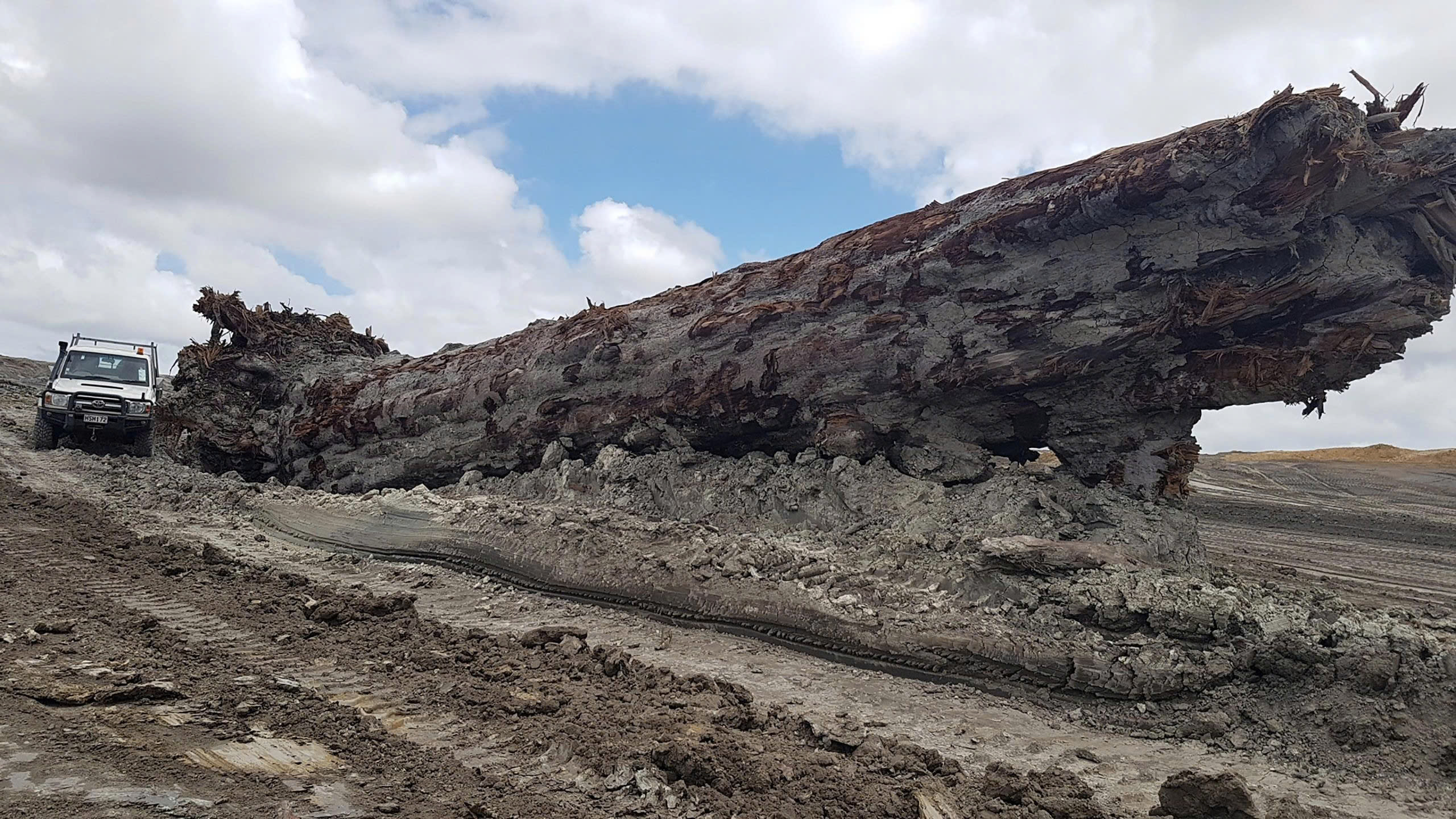
A Glimpse into Earth’s Magnetic History
While modern humans often overlook the significance of Earth’s magnetic North Pole, its history reveals a dynamic past marked by shifts and re-orientations. A recent study, detailed in the journal Science, illuminates the catastrophic effects associated with the last major magnetic field reversal, highlighting insights gleaned from ancient fossilized trees.
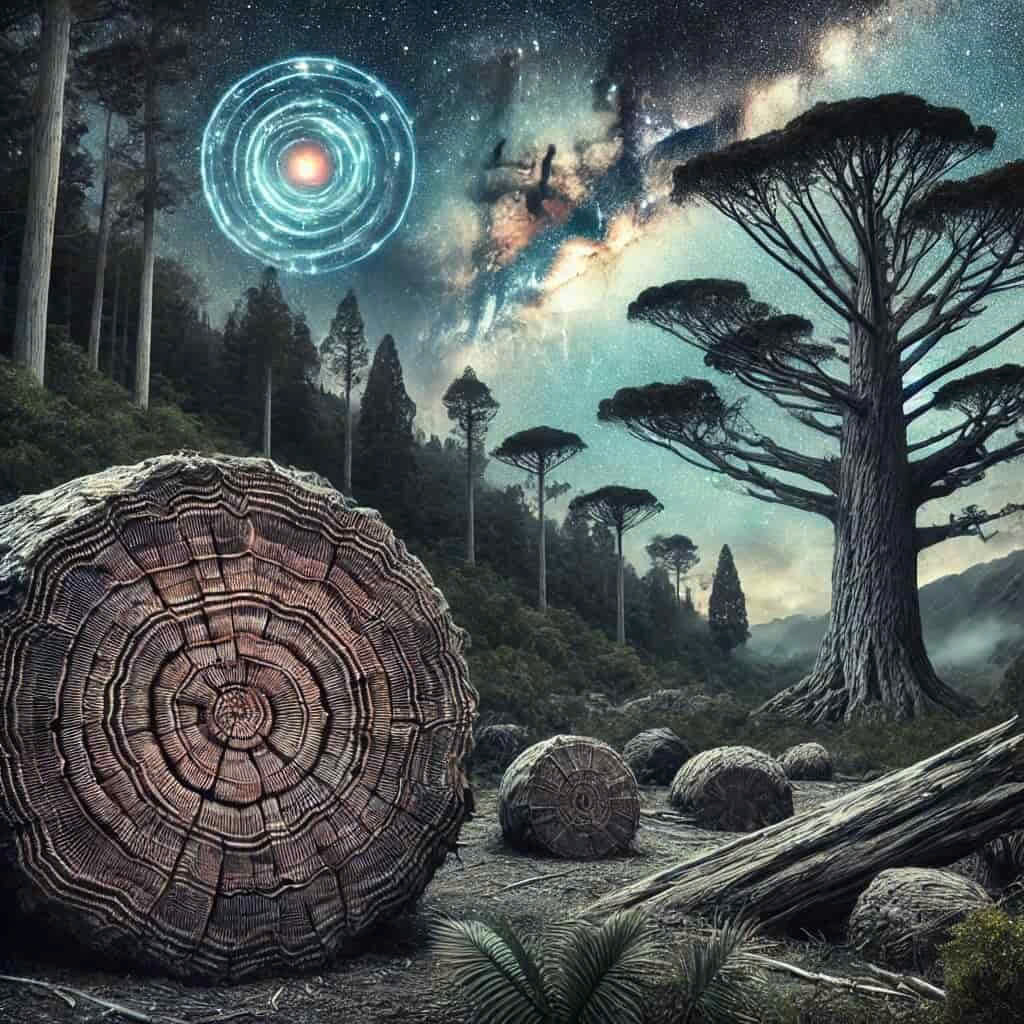
Unlocking the Past with Fossilized Kauri
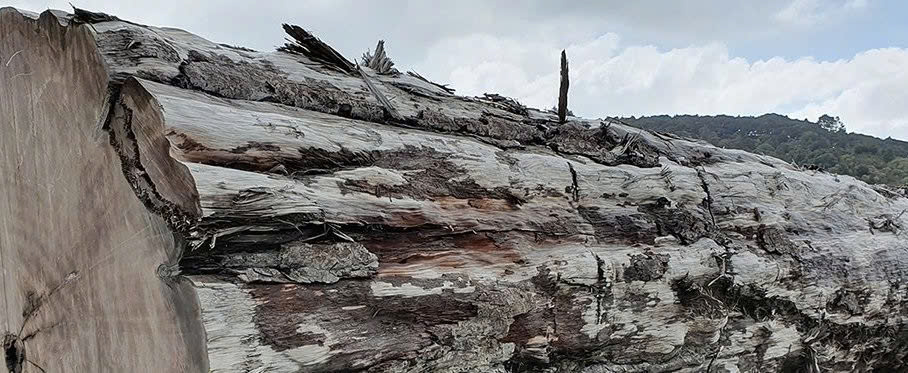
This groundbreaking research focuses on ancient Kauri trees from New Zealand that perished over 41,000 years ago. Among them, a newly discovered specimen is noted for having lived throughout the Laschamps excursion—an 800-year period during which the magnetic field reversed and later corrected itself. By examining the chemical signatures preserved in the tree rings, researchers were able to create a timeline reflecting how cosmic rays influenced Earth’s atmosphere during this critical period.
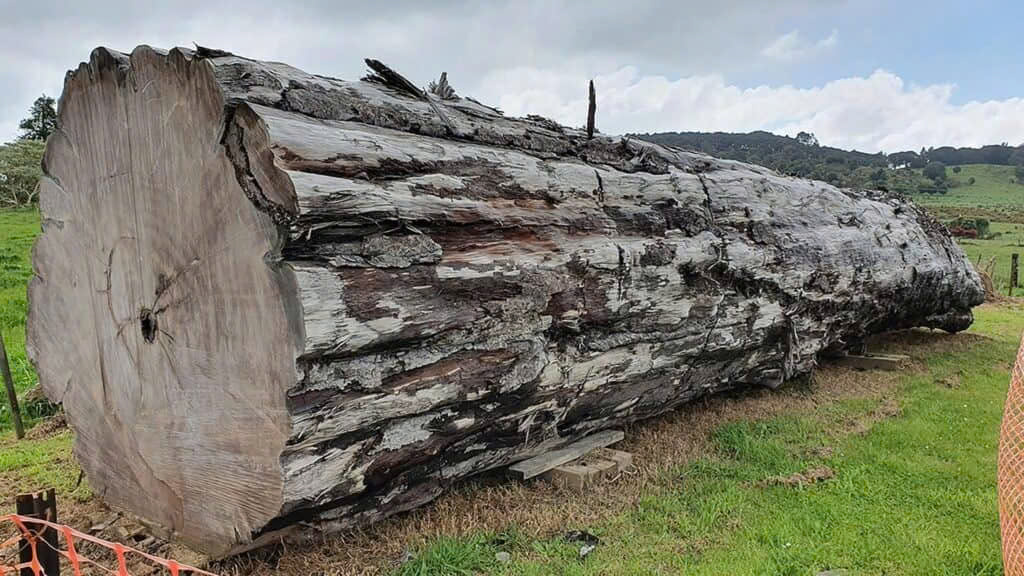
Comparative analysis with atmospheric records from ice cores and soil revealed the magnetic field’s impact on the ozone layer, solar activity, and space weather patterns, opening the door to a multitude of theories regarding the impact on ancient civilizations and wildlife.
The Adams Event: A Critical Period of Change
The study identifies this era, approximately 42,000 years ago, as the “Adams Event,” named in honor of Douglas Adams, author of Hitchhiker’s Guide to the Galaxy, which humorously posits that 42 is the fundamental answer to life’s questions. During this interval, the Earth’s magnetic field was significantly weakened, reaching only six percent of its full strength as it transitioned through the Laschamps excursion.
Notably, ice core data indicated that solar activity was also notably low during this time. While this could imply fewer solar flares, it simultaneously meant a reduced heliosphere, diminishing Earth’s protective shield against cosmic radiation.
Video
Cataclysmic Effects on Ancient Life
The implications of both weakened magnetic fields and the compromised heliosphere posed substantial risks to ancient ecosystems. “It must have seemed like the end of days,” suggested Chris S.M. Turney, a co-author from the University of New South Wales. Possible effects of these environmental changes included a thinning ozone layer, an expansion of the aurora borealis towards the equator, increased ultraviolet radiation, violent electrical storms, and Arctic air intrusion across continents.
These disruptions have been linked to the extinction of large animal species in Australia and the decline of Neanderthal populations, alongside the early use of red ocher pigment for cave art and protection against the elements.
Open Questions and Future Research
The study’s findings have ignited a rich dialogue among scientists, shedding light on the longstanding question of whether magnetic field shifts influence life on Earth. Experts like Monika Korte from the GFZ German Research Centre for Geosciences acknowledge that while the paper presents a compelling case, the ideas should be explored through further research.
By interconnecting various sources of information, the research not only enhances our understanding of past geological events but also sets the stage for future investigations into the profound effects of magnetic field dynamics on both the planet and its inhabitants.


