
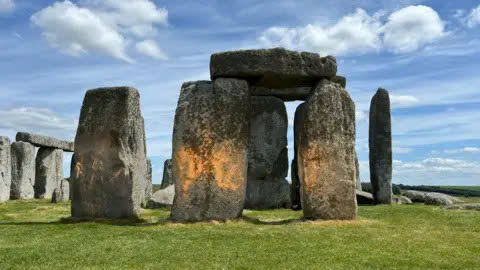
New Insights into the Natural History of Stonehenge
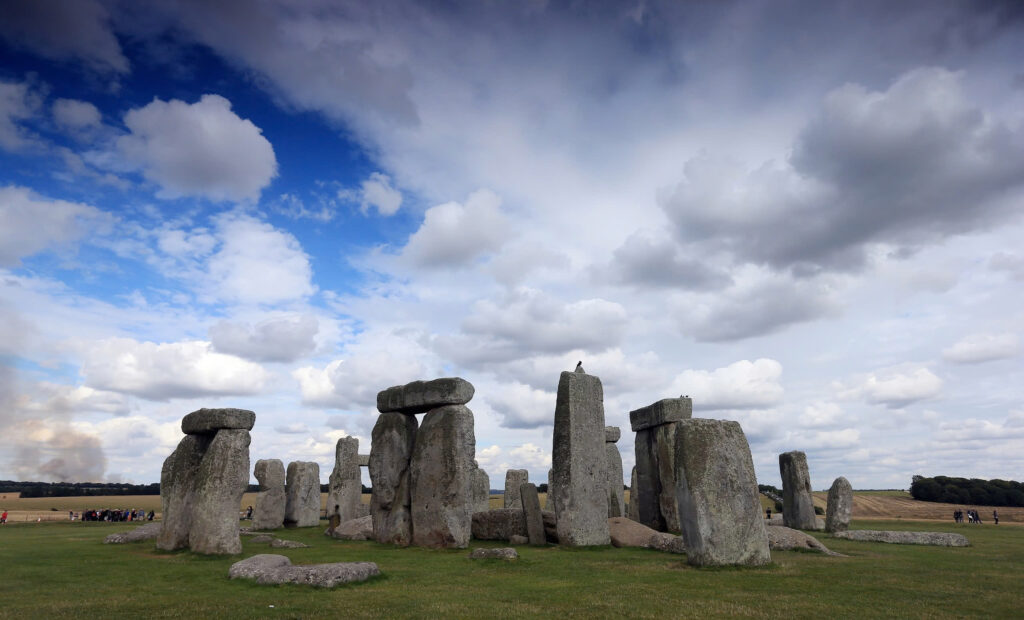
Recent research has unveiled that, long before the iconic Stonehenge was constructed, the landscape was inhabited by red deer, elk, and wild boar in a vibrant environment of open woodlands and meadows. This new understanding comes from scientists at the University of Southampton, who investigated the nearby Mesolithic archaeological site of Blick Mead, located just a mile from the famous stone formation.
Uncovering a Different Era
Lead researcher Samuel Hudson from the Department of Geography and Environmental Science at Southampton noted that while there has been extensive study of Stonehenge’s Bronze Age and Neolithic history, less attention has been paid to the area’s earlier inhabitants. Hudson explained, “Our research integrates evidence from previous excavations at Blick Mead with our own fieldwork, painting a clearer picture of the flora and fauna of the landscape prior to the construction of the monumental complex.”
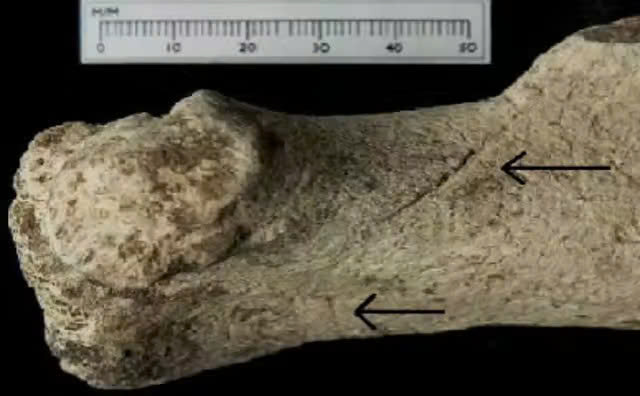
Previous assumptions held that the region was densely forested and later cleared for farming and building projects. However, Hudson’s findings suggest that the landscape was, in fact, characterized by open woodlands that supported large herbivores like aurochs, along with hunter-gatherer societies.
Video
A Detailed Environmental History
To unfold this story, the research team analyzed preserved pollen, fungal spores, and ancient DNA found in sediment, alongside optically stimulated luminescence (OSL) and radiocarbon dating techniques. This approach allowed them to reconstruct the habitat from the late Mesolithic period (around 5500 BC) to the Neolithic period (from approximately 4,000 BC).
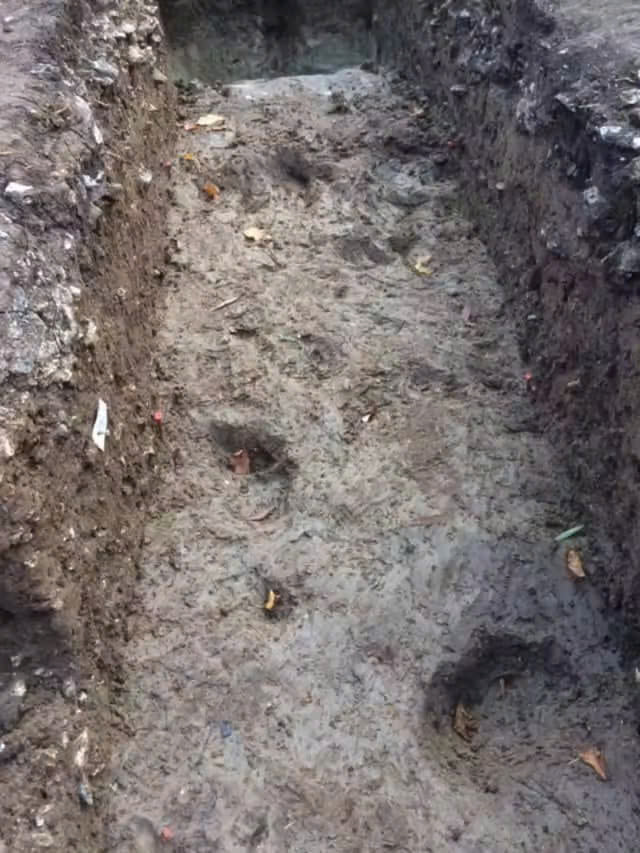
As shared by a university spokesperson, “The study reveals that late Mesolithic communities at Blick Mead capitalized on these open conditions to hunt large ungulates repeatedly, until the transition to farming and monument construction began.”
Interestingly, the findings suggest that the land was naturally suited for large-scale monument building, as it required no extensive clearance of woodland due to the existing open habitats.
Continuity of Inhabitants Through Time
The research implies continuity between the inhabitants of these two distinct eras, highlighting their different methods of land use while also recognizing the location’s longstanding significance. It suggests that both groups understood the area’s potential, adapting their lifestyles to its rich resources.
The collaborative work of the Southampton team, along with colleagues from the universities of Buckingham, Tromsø, and Salzburg, is published in the journal PLOS ONE, offering a fresh perspective on the prehistoric landscape surrounding one of the world’s most famous monuments.


